- February 14, 2025
- 2:27 pm
The automotive industry is undergoing one of the most significant transformations in history as manufacturers and consumers shift towards more sustainable fuel options. With concerns over fuel costs, emissions, and the future of transportation, buyers today have three major choices: hydrogen-powered vehicles, plug-in hybrid vehicles (PHEVs), and fully electric vehicles (EVs). Each of these technologies offers distinct advantages, but which one is best for your lifestyle? Let’s explore the future of automotive energy and help you navigate the road ahead.
Hydrogen-Powered Vehicles: The Future of Clean Energy?
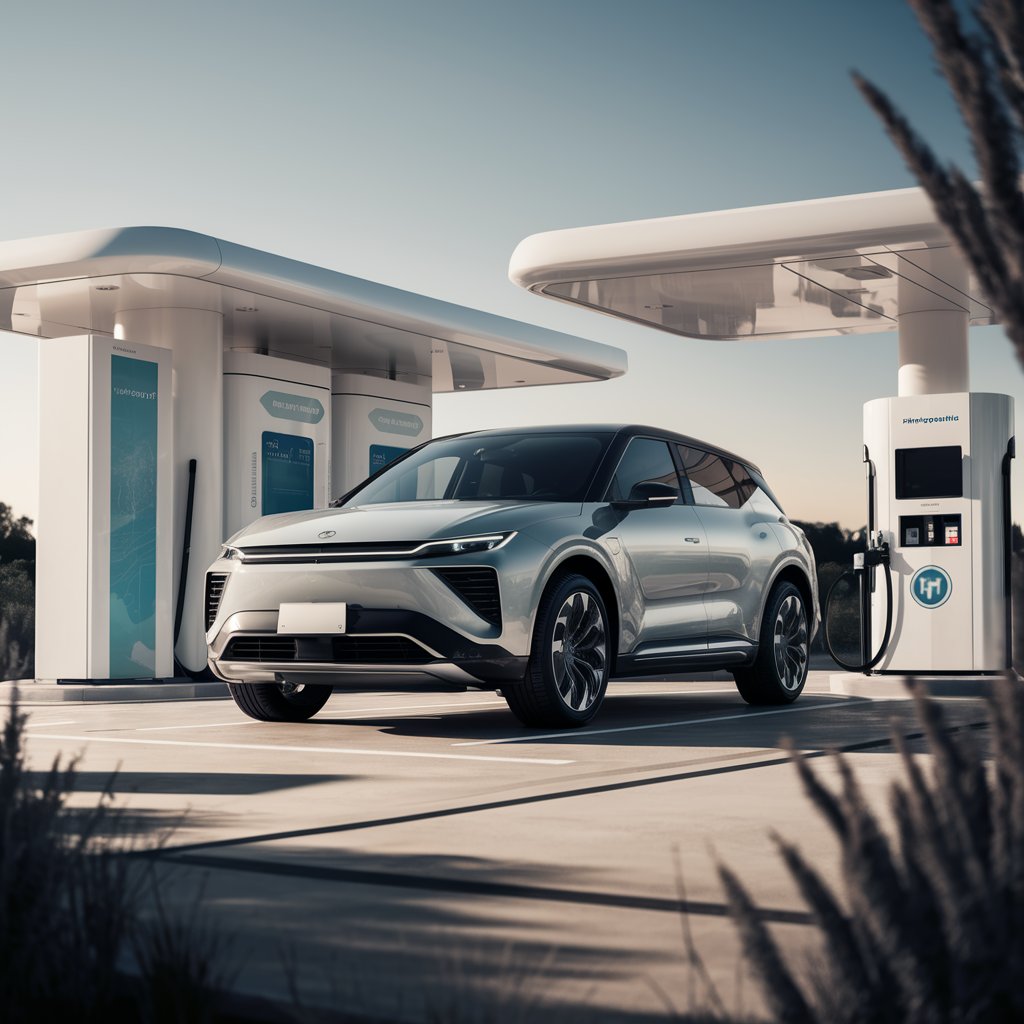
Hydrogen fuel cell vehicles (FCVs) are often seen as the most futuristic fuel alternative. These vehicles use hydrogen gas to generate electricity, emitting only water vapor as a byproduct. They offer fast refueling times, often comparable to gasoline vehicles, taking just 5-10 minutes to fill up.
However, the biggest challenge for hydrogen cars today is infrastructure. While some regions, particularly in California and parts of Europe, have developed hydrogen refueling networks, many areas still lack access to hydrogen stations. Additionally, hydrogen production is still relatively expensive compared to traditional fuels.
Who is it best for? Drivers looking for an ultra-clean energy alternative who live in areas with access to hydrogen refueling stations.
Plug-In Hybrids (PHEVs): The Best of Both Worlds?
For those who want a greener vehicle without the limitations of full-electric charging, plug-in hybrids (PHEVs) offer a compelling option. These vehicles have both a gasoline engine and an electric motor, allowing drivers to travel short distances (typically 20-50 miles) on electric power alone before switching to gasoline for longer trips.
PHEVs provide greater flexibility, making them an excellent choice for those who aren’t ready to rely entirely on charging stations. They also tend to be more affordable than full EVs or hydrogen-powered cars. However, drivers who primarily rely on gasoline might not fully benefit from the fuel savings of the electric component.
Who is it best for? Commuters and travelers who want fuel efficiency but still need the flexibility of a traditional engine for longer drives.
Fully Electric Vehicles (EVs): Leading the Charge
Fully electric vehicles (EVs) are the most widely adopted alternative fuel option today. With zero emissions, lower operating costs, and advanced technology, EVs are rapidly becoming the go-to choice for eco-conscious drivers. With new models offering ranges of 300+ miles per charge, range anxiety is becoming less of a concern.
Charging infrastructure has also improved significantly, with fast chargers capable of providing 80% charge in as little as 30 minutes. Home charging solutions make owning an EV even more convenient. However, charging times and limited access to chargers in certain areas remain concerns for some buyers.
Who is it best for? Drivers looking for a cost-efficient, environmentally friendly car with access to home or public charging stations.
Which Fuel Option is Right for You?
When choosing between hydrogen, hybrid, and full-electric vehicles, consider factors such as your driving habits, available infrastructure, and long-term cost savings. While EVs are currently the most practical option for most drivers, hydrogen technology could become more viable as infrastructure expands. Meanwhile, PHEVs provide a perfect transition for those who want eco-friendly benefits without committing entirely to electric power.
If you’re considering your next vehicle, visit Select Motor Cars at 3749 Browns Bridge Rd, Gainesville, GA 30504-5432 to explore fuel-efficient options that fit your lifestyle. For more details, call 770-538-0037 or email brian@myselectmotorcars.com. Let’s drive into the future together.